




ISO 45001
ISO 45001 is an international standard for implementing an occupational health and safety management system (OH&S MS) to create a safe and healthy workplace. It applies to any organization based on the PDCA cycle and principles of risk management, leadership, worker participation, and continuous improvement.
ISO 14001
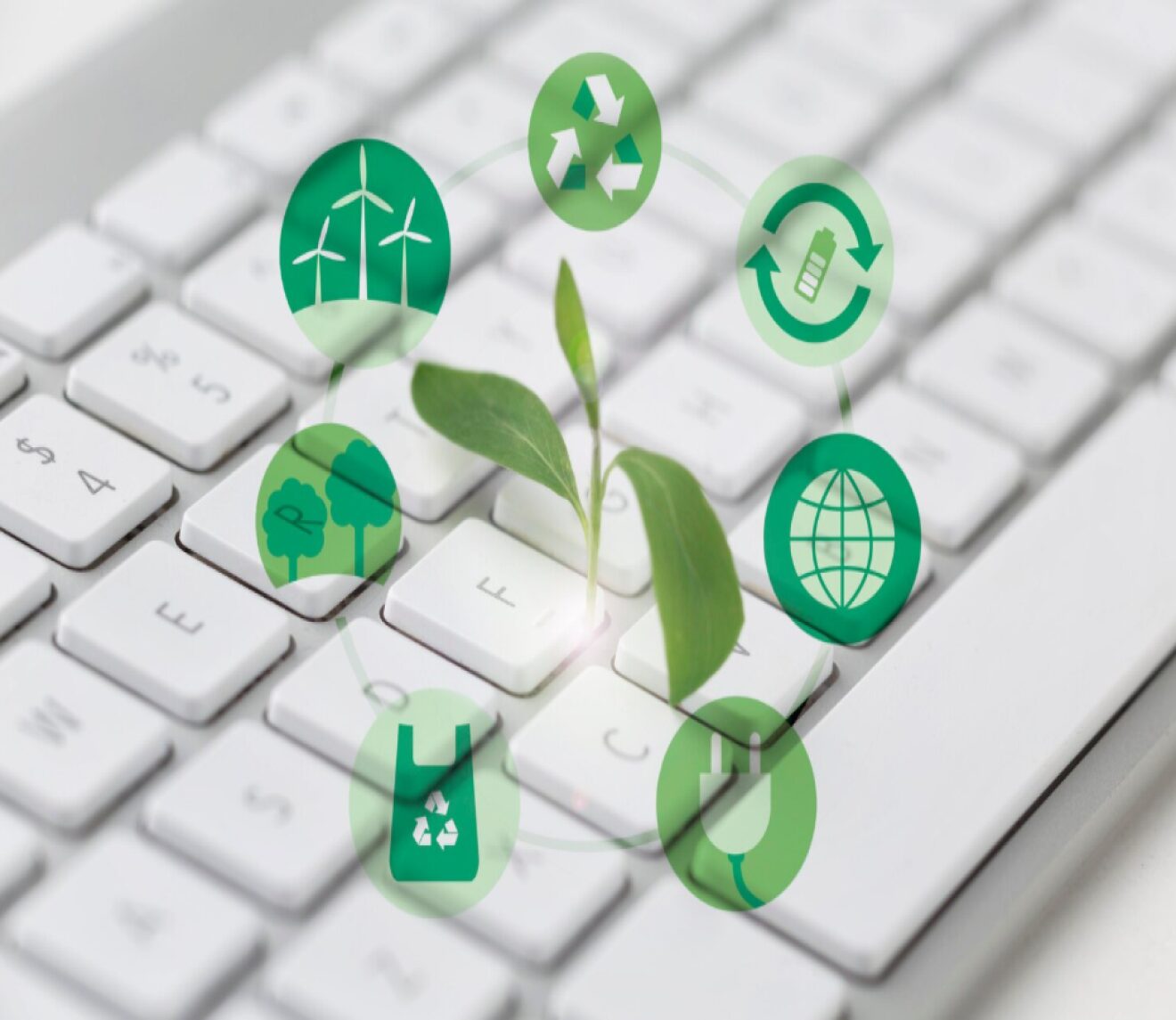
ISO 14001 is an internationally agreed standard that sets out the requirements for an environmental management system. It helps organizations improve their environmental performance through more efficient use of resources and reduction of waste, gaining a competitive advantage and the trust of stakeholders.
ISO 55001
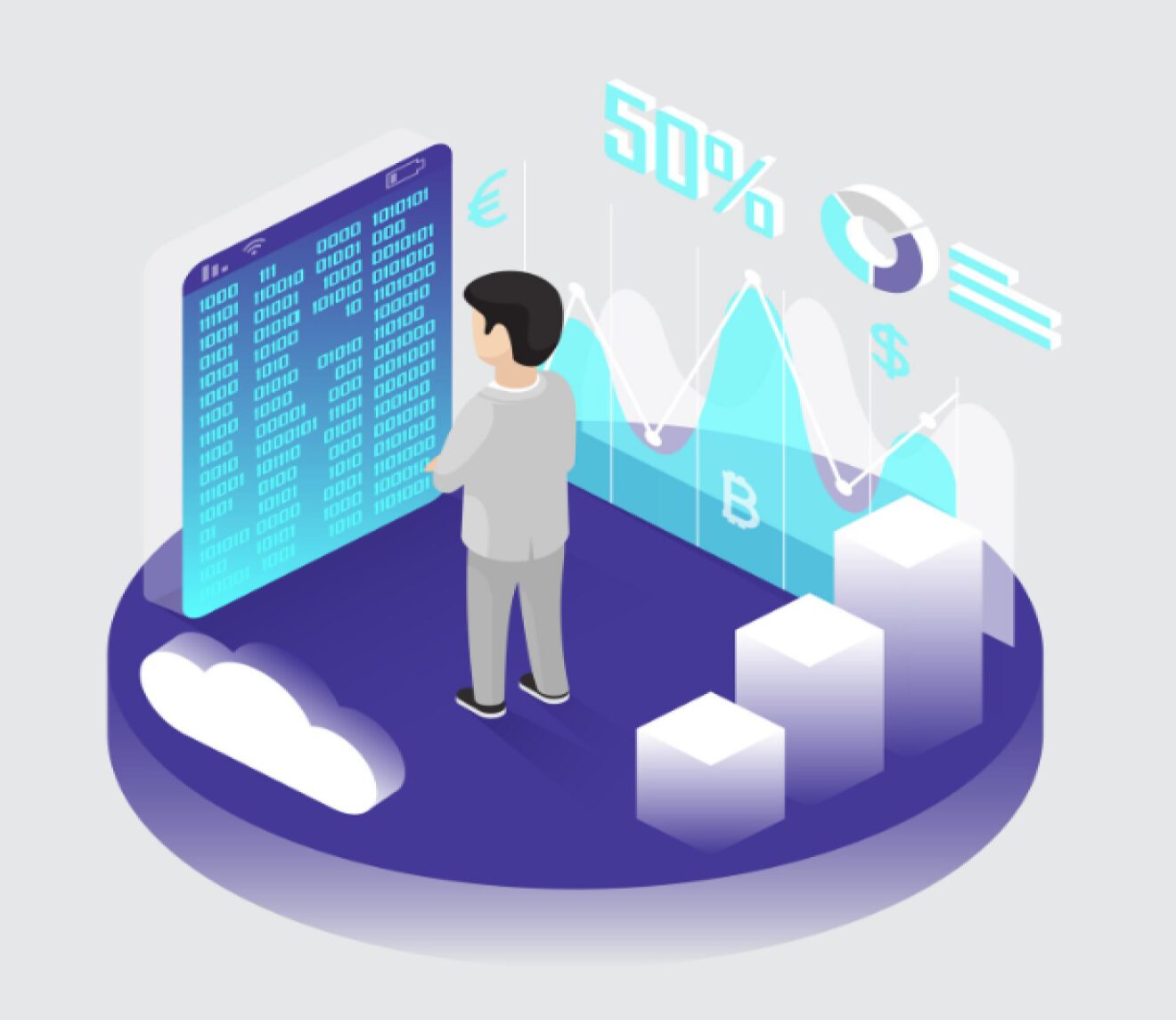
ISO 55001 is an international standard that outlines the requirements for effective asset management system (AMS) implementation, applicable to all organizations, regardless of size or type. It emphasizes creating value while balancing costs, risks, and performance and incorporates leadership, planning, risk management, and stakeholder engagement principles.

ISO 56001
ISO 56001 is an international standard that provides guidelines for innovation management systems (IMS) in organizations. It applies to any organization based on continual improvement, customer focus, and stakeholder engagement.
CISO as a Service
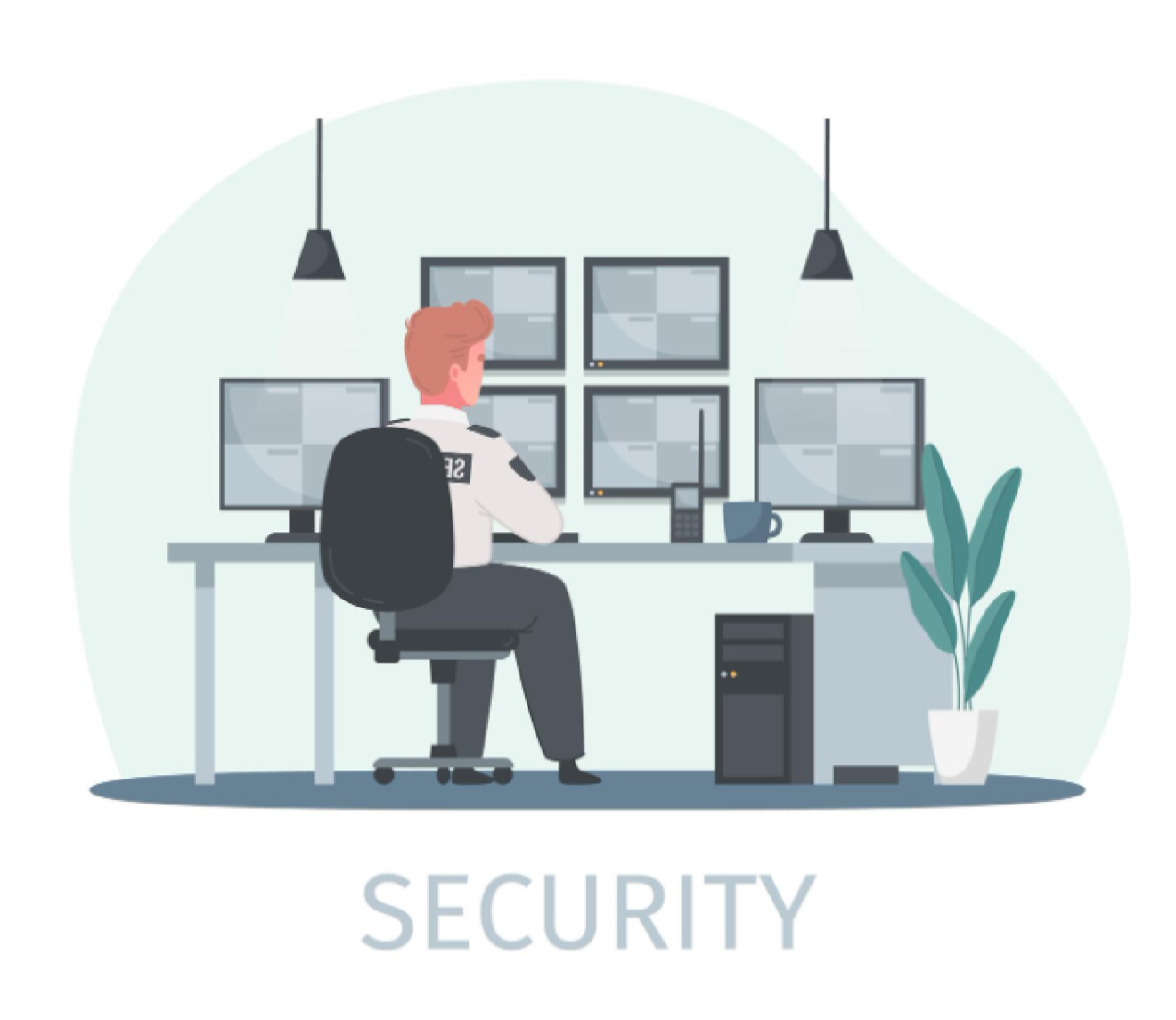
CISO (Chief Information Security Officer) as a service refers to outsourcing the CISO role to a third-party provider. This service allows organizations to access the expertise of a seasoned CISO without the need to hire a full-time employee.
Statutory and Regulatory Compliance
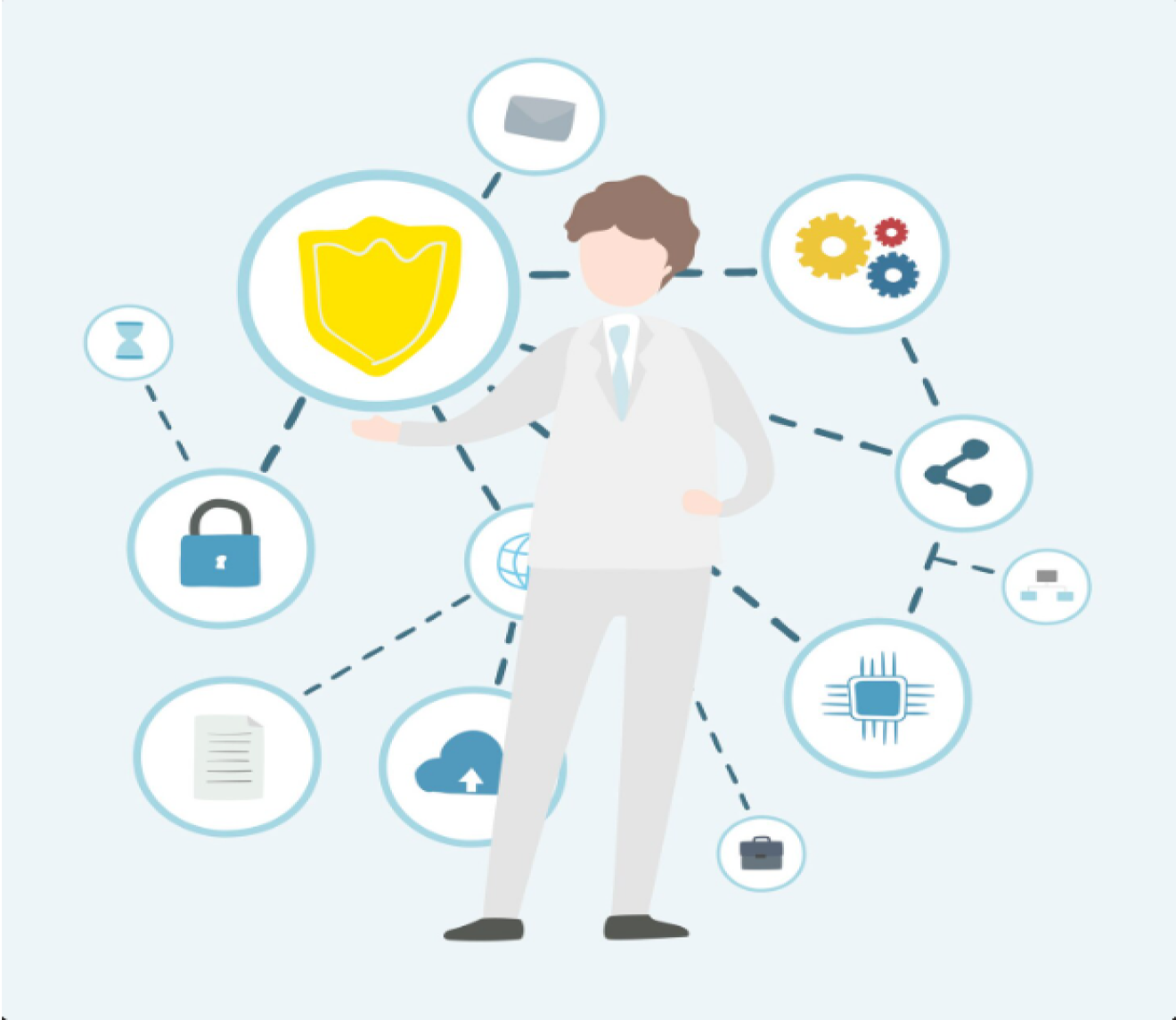
Statutory and regulatory compliance refers to the rules, guidelines, and standards organizations are legally obligated to follow to ensure they operate lawfully and ethically. These requirements may be imposed by governments, industry bodies, or other regulatory agencies, and they can vary depending on the organization’s location, industry, and other factors.
What is Low Current System: How its Rising Needs are Transforming the face of building infrastructures
The need for energy conservation has surged, and the tasks to maintain the efficiency of equipment and the building have become common. The requirement to identify energy losses has increased, shifting organizations to conserve resources and focus on enhancing business operations.
Organizations, factories, commercial buildings, and residential infrastructure utilize massive electrical equipment and systems. While it is essential for running business operations and daily tasks, companies also focus on tracking, monitoring, and managing energy losses.
This has become even more important when the need to be energy efficient and promote sustainability has become imperative owing to the exhaustion of natural energy resources.